ARTICLE
Creator's Featured Article
Podcast
0 episodes
ARTICLE
1 posts
Responsible Family Choices For Disposing Of Aging Automobiles
Families often form strong emotional attachments to their vehicles. A car is more than just a collection of metal and plastic; it is the setting for road trips, the reliable transport for morning school runs, and a central part of daily life for years. When that vehicle finally reaches the end of its operational lifespan, making the decision to let it go can feel surprisingly difficult. It is entirely normal to feel a sense of hesitation when looking at a car that has served your family well, even if it is now permanently parked in the driveway. However, allowing an old car to slowly deteriorate outside your home is neither practical for your daily routine nor responsible from an environmental perspective.
The physical space a non-functioning vehicle occupies is a daily inconvenience for busy households. Driveways are active zones where children play, groceries are unloaded, and daily schedules are managed. Having a large, immobile object permanently blocking a significant portion of this area creates constant logistical friction. Parents often find themselves constantly manoeuvring around the dead vehicle, warning children to stay away from the rusting edges, and apologising to guests about the lack of parking. The relief that comes from finally clearing that space is immediate and profound, transforming a cramped driveway back into a functional, open area for the whole family to use safely.
From an environmental standpoint, an aging car that sits idle for extended periods becomes an active hazard. Older engines and braking systems rely on a variety of synthetic fluids and heavy oils that degrade over time. As rubber gaskets and plastic reservoirs become brittle with age and temperature fluctuations, these toxic substances inevitably begin to leak. A small drip of engine coolant or brake fluid might seem insignificant, but over months and years, these chemicals wash into storm drains and local soil, directly impacting the local ecosystem. Teaching children about environmental responsibility is much more effective when parents actively demonstrate those principles by properly disposing of hazardous materials.
The process of automotive recycling has advanced significantly, making it one of the most effective forms of large-scale material recovery in the modern world. When a vehicle is sent to a proper processing facility, it is not simply crushed and buried. Trained technicians carefully drain and neutralise all remaining fluids, ensuring they are disposed of without harming the water table. The battery, catalytic converter, and tyres are separated for specialised processing. The remaining chassis is then shredded, and powerful magnets separate the steel and iron from plastics and non-ferrous metals. This meticulous separation process means that the vast majority of your old family car will go on to serve a new purpose in other manufactured goods.
Understanding the positive impact of this recycling process can help families overcome the emotional hurdle of letting the vehicle go. The steel recovered from your old car might be used in the construction of new homes, bridges, or even the next generation of highly efficient electric vehicles. It is a comforting thought that the machine which served your family so well is being broken down to serve society in new ways, rather than rusting away uselessly. This perspective shifts the narrative from a sad farewell to a responsible, forward-thinking decision that benefits the environment and the local manufacturing economy.
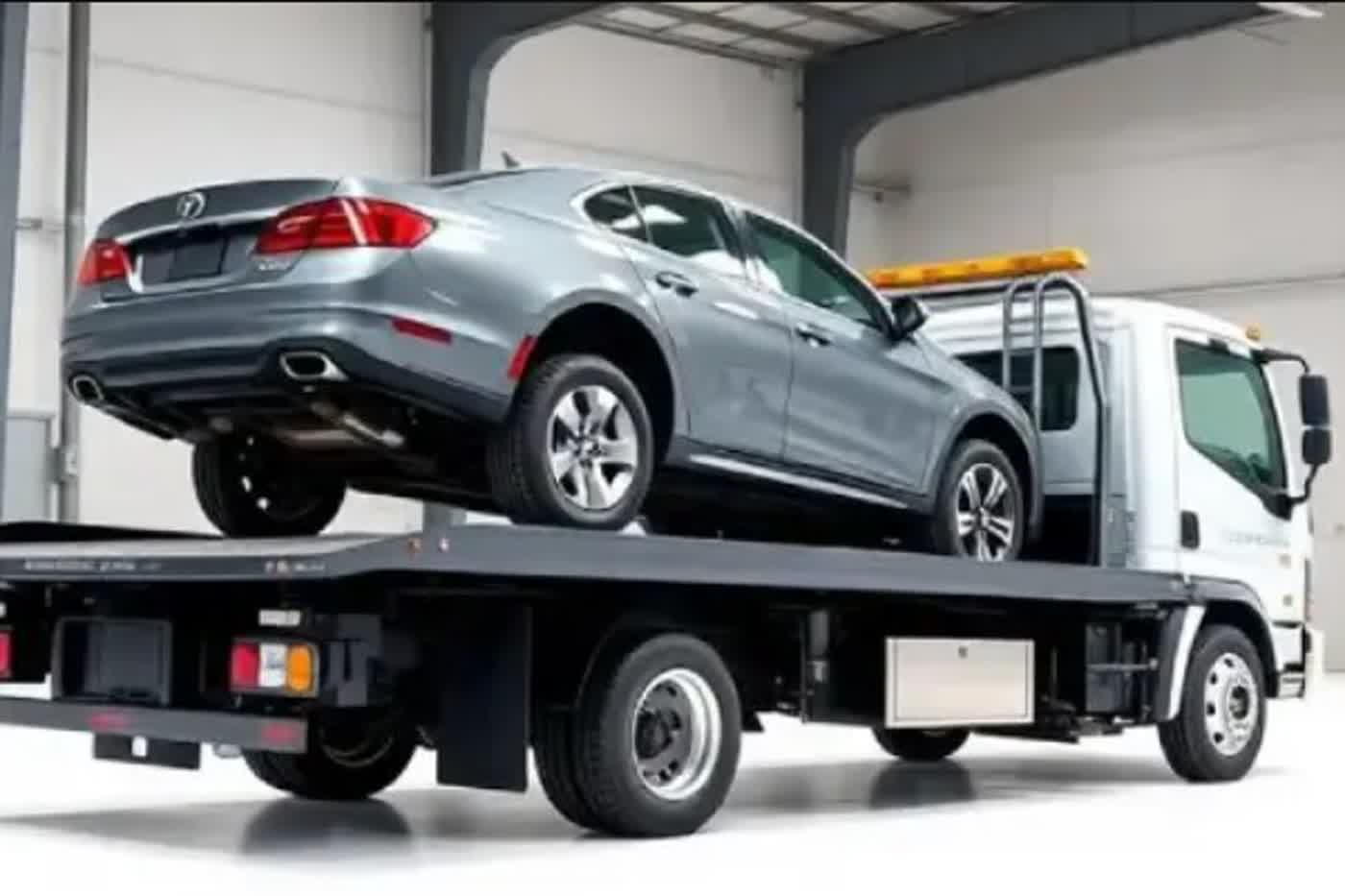
Choosing a professional service to handle the collection ensures that this recycling process is executed correctly and safely. Experienced operators understand how to remove a disabled vehicle from a residential property without causing damage to the driveway or landscaping. They manage all the necessary transport logistics, meaning the family does not have to worry about towing fees or handling complex disposal regulations. By arranging for a proper Scrap Car Removal Montreal service, families can confidently close the chapter on their old vehicle. It is a straightforward, environmentally sound choice that immediately improves the safety and functionality of the family home while contributing to a sustainable industrial ecosystem.
Conclusion
Saying goodbye to a vehicle that has transported your family for years is an emotional process, but allowing it to decay on your property creates unnecessary hazards. Choosing to recycle the car demonstrates strong environmental values and immediately improves the functionality of your home. The automotive recycling industry ensures your old vehicle is processed safely and its materials are put to good use.
Call to Action
Clear the space in your driveway and make an environmentally responsible choice for your family. Schedule a professional collection today and let the experts handle the safe disposal of your old vehicle.